

Selenium in Horse Supplements – Why more is not always better
Signs of too much selenium
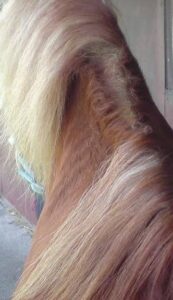
A thinning mane or tail and unusual hoof cracks are among the signs that can occur when a horse receives too much selenium over time.
• Thinning, breaking 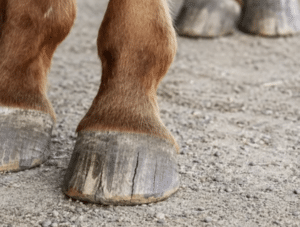 or loss of mane and tail hair
• Horizontal cracks or changes in the hoof wall, particularly near the coronary band
• Sore feet or lameness
• In severe cases, separation or sloughing of the hoof wall
These signs can have other causes, so they do not automatically mean a horse has selenium toxicity. A veterinarian can examine the horse, review its diet and recommend appropriate testing.
Why horses need selenium
Selenium is an essential trace mineral that supports normal muscle, immune and thyroid function. It also works alongside vitamin E to help protect cells from damage. Too little selenium can contribute to muscle problems, and deficiency is particularly concerning for pregnant mares and their foals.
Horses need selenium in very small amounts, and the range between an adequate intake and a harmful excess is relatively narrow.
Where does selenium come from
A horse may receive selenium from several sources at once:
• Pasture grass and hay
• Commercial feed and ration balancers
• Vitamin and mineral supplements
• Hoof or muscle supplements
• Vitamin E and selenium combination products
The amount in forage varies depending on where it was grown and other factors. Hay brought in from another region may have a different selenium content from the pasture where the horse lives.
The combined daily intake from all sources is what matters.
How supplements can add up
Consider this hypothetical example:
Ration balancer
1 mg
Hoof supplement
0.5 mg
Vitamin E and selenium supplement
1 mg
Total from these products
2.5 mg
The horse may also receive selenium from hay and pasture. This example does not establish that the diet is toxic; it shows how easily multiple sources can be overlooked.
For context, the Merck Veterinary Manual cites an estimated requirement of approximately 1 mg per day for an average 1,100-pound horse in light exercise. That is a dietary requirement, not a suggested supplement dose or a universal toxicity cutoff.
Does a horse that needs vitamin E also need selenium?
Not necessarily. Selenium and vitamin E are frequently sold together, but a horse can need more of one without needing more of the other. UC Davis recommends assessing the two nutrients independently.
If your horse has limited access to fresh green grass and you are considering vitamin E, check how much selenium is already in the diet before choosing a combination product.
How to check your horse’s diet
1. List everything your horse eats, including the amount of each feed and supplement given daily.
2. Check each label for selenium. Calculate the amount supplied by the serving you actually feed.
3. Consider the forage. Ask where your hay was grown and whether a forage analysis is available. If testing hay or pasture, confirm that selenium is included in the panel.
4. Ask your veterinarian about testing. Blood testing may be useful alongside a review of the diet and the horse’s condition.
5. Review the complete ration before adding more. This is especially useful for pregnant mares, growing horses and horses receiving several specialty supplements.
Selenium is an important part of a balanced diet. The aim is to provide the amount the horse needs while accounting for everything already in the feed bucket and forage.
This article is for educational purposes and is not a substitute for individual veterinary or equine nutrition advice.
